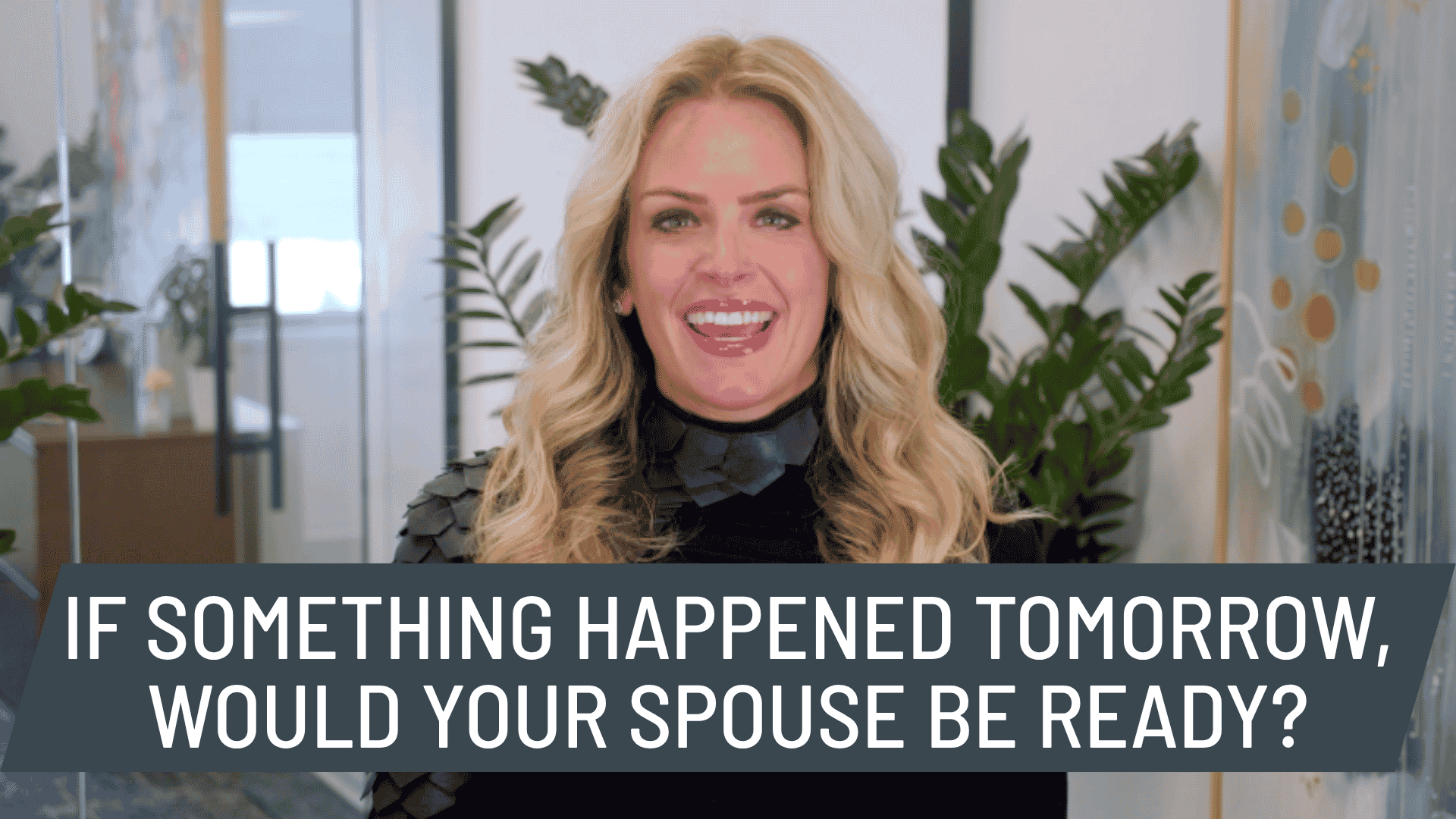

One of the most common mistakes Lizzie sees isn’t poor investing, it’s families who don’t fully understand what would happen if their estate plans had to work tomorrow.
Even if you had all the right documents—wills, trusts, powers of attorney—would the estate plan actually work the way you expect them to?
Who do you call first? Where are all of your assets held and where would they go?
Knowing where your estate planning documents are only solves part of the problem. Watch the latest Lizzie’s Wealth Wisdoms podcast episode below for more insights. 👇
Transcript:
Hello, everyone, and welcome back to Lizzie’s Wealth Wisdoms. Today, I want to talk about one of the most important planning topics that I encounter with families. And interestingly, it has very little to do with stocks, bonds or investment returns.
It starts with a simple question: “If something happened to you tomorrow, would your spouse know what to do?”
One of the most common things I see is that one spouse handles most of the financial responsibilities, while the other handles different aspects of family life, and there is absolutely nothing wrong with that. The problem isn’t the division of labor. The problem is when one spouse has no idea where to even begin if something unexpected happens.
Client Scenario #1: One Spouse Handles All Finances
A few years ago, I met with a widow shortly after her husband’s passing. He managed every financial detail of their lives investments, taxes, online accounts, passwords, spreadsheets.
Unfortunately, most of that organization existed in his head. His wife didn’t know where all of their accounts were held. She wasn’t sure how the bills were being paid. She did not know the passwords. She wasn’t even sure which attorney had prepared their estate plan.
For months, she was not simply grieving. She was grieving while simultaneously trying to become the CFO of her family’s life overnight. No one should have to carry that burden.
Client Scenario #2: Understanding Your Estate Plan
What I’ve learned over the years is that knowing where your estate planning documents are only solves part of the problem. Recently, I met with a couple who had done everything right. They had wills. They had trusts. Powers of attorney. Everything was very organized.
I asked a simple question: “If something happened tomorrow, where would the assets go? Who would make the decisions, and how would the plan actually work?” The room got quiet.
As we walked through their documents, they realized something surprising: while they had a very solid estate plan, neither of them fully understood what it would do in practice. The documents were working exactly as intended. They just had not been revisited in years.
And I see this all the time. Families create estate plans, then life happens. Businesses grow. Investment portfolios appreciate. Real estate values increase. Children become adults, and grandchildren enter the picture. The plan may still be legally sound, but the outcome may be very different from what the family expects today.
Estate planning isn’t just about signing documents. It’s about understanding how those documents would work if they were activated tomorrow.
Financial Planning for the Unexpected
Financial planning is not really about preparing for the expected. It’s about preparing for the unexpected. The goal isn’t for both spouses to become investment experts. The goal is confidence.
Confidence that your spouse knows where things are. Confidence that they know who to call. Confidence that they understand how their estate plan works. Confidence that they won’t have to figure out everything alone during one of the most difficult seasons of their life.
Four Important Questions
So today, I encourage every family listening to ask four simple questions:
First, if your spouse were unavailable tomorrow, would you know where all of your assets are held?
Second, do you know who to call first—your financial advisor, your attorney, your CPA, your insurance professional?
Third, do you know where your estate planning documents are located?
And fourth, and most importantly, do you understand what would actually happen to your assets under those documents if they were activated tomorrow?
If the answer to any of these questions is, “I’m not sure,” that’s okay. But don’t wait for a crisis to find out those answers. One of the greatest gifts that you can give your spouse is not a larger portfolio. It’s clarity. It’s preparation. It’s confidence. Because good financial planning is not just about growing wealth. It is about caring for the people that we love most.
Until next time. This is Lizzie’s Wealth Wisdoms.